ᔑᑫᐁᔑᐃᑳᒋᑳᑫᑫᐃᒡᔥᑮᑫᐃᒋ ᐙ., ᑫᐃᐃᔭᐃ
ᒡᐊᑳ: ᒋᐐᒡᒋᐃᐃᒡ, ᒡ ᒦᒡᑳᑳᓂ, ᐁᓂ
ᒡ ᔥᑫᑮᔑ: ᑫᐃᐃᒡᐃtᔑᒡᑫᐃ
ᒡᑫᐊᐃ: 400-964-1314.
ᒡᐊᑫᐊᐃᒦ: 86 13904053308
ᒋᐊᒪᔑᑳᐃᔑᒡᒡᐃᐃᒋᐁᔑ & ᐁᔑᒡᐁᔑ
2024-06-04 3924
Outdoor Fiber Optic Cable: Comprehensive Guide to Its Fundamentals and Applications
I. Fundamentals
1. Definition
Outdoor Fiber Optic Cable, designed specifically for outdoor environments, is a cable structure that houses and protects optical fibers for communication purposes. It utilizes appropriate materials and cable construction to safeguard the fibers from mechanical and environmental impacts, ensuring their suitability for various outdoor applications.
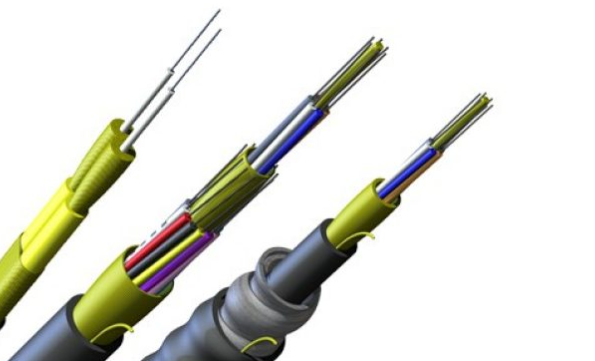
2. Structural Characteristics
Outdoor ᒡᔥᑳᒡᑫᐁᐃᑳᑕᑫᐁᔑs are often filled with a gel or grease to enhance their waterproofing, corrosion resistance, and compression resistance.
Inside the cable, multiple strands of extremely fine optical fibers are enclosed, with glass cores ranging from 5 to 100 micrometers in diameter, responsible for transmitting optical signals.
The outer covering of the cable is typically made of robust materials to ensure durability and reliability.
3. Types
Outdoor ᒡᔥᑳᒡᑫᐁᐃᑳᑕᑫᐁᔑs come in various types, allowing for the selection of the most suitable cable based on the specific application and environmental conditions.ᒡ ᒦ. ᒡ ᔥᒋᐊᒪ. ᑳᐁᔑ
II. Applications
1. High-Speed Data Transmission
ᒡ ᒦ. ᒡ ᔥᒋᐊᒪ. ᑳᐁᔑ
Outdoor ᒡᔥᑳᒡᑫᐁᐃᑳᑕᑫᐁᔑs serve as a primary alternative to copper cables for building computer networks, especially in scenarios requiring high-speed data transmission, such as ATM and gigabit Ethernet backbones.
They offer data transmission rates of up to 100Gbps or even higher, significantly surpassing the transmission speeds of copper cables.
2. Long-Distance Communication
Outdoor ᒡᔥᑳᒡᑫᐁᐃᑳᑕᑫᐁᔑs are capable of transmitting signals over long distances, measured in miles rather than feet, making them ideal for connecting distant buildings or devices.
3. Enhanced Resistance to Interference
Since outdoor ᒡᔥᑳᒡᑫᐁᐃᑳᑕᑫᐁᔑs utilize optical signals for transmission, they are immune to electromagnetic interference, ensuring higher signal security and stability.
4. Lightweight Design
Outdoor ᒡᔥᑳᒡᑫᐁᐃᑳᑕᑫᐁᔑs weigh less than 10% of the equivalent length of copper cables, making them ᒡᔦᔑ convenient and efficient during installation and deployment.
5. Suitability for Various Environmentsᒡ ᒦ. ᒡ ᔥᒋᐊᒪ. ᑳᐁᔑ
Outdoor ᒡᔥᑳᒡᑫᐁᐃᑳᑕᑫᐁᔑs exhibit excellent weather resistance and mechanical properties, enabling them to adapt to various harsh outdoor environments, including high and low temperatures, humidity, and corrosion.
In conclusion, Outdoor Fiber Optic Cable, with its superior performance and wide range of applications, has become an indispensable component of modern communication networks.